Exploring the Role of Art in Community Narratives
Art has long been a powerful medium for expressing the diverse experiences and challenges faced by communities. This article delves into how art serves as a narrative tool, fostering understanding and connection among community members.
The Impact of Art on Community Identity
Art often plays a vital role in shaping community identity. According to research conducted by the National Endowment for the Arts, communities that engage in artistic activities tend to have stronger social ties and enhanced community cohesion. This occurs because art can reflect local histories, cultures, and values, helping individuals find common ground.
"Art serves as a mirror reflecting the soul of a community, capturing both its challenges and triumphs." - Community Development Expert
Art as a Medium for Storytelling
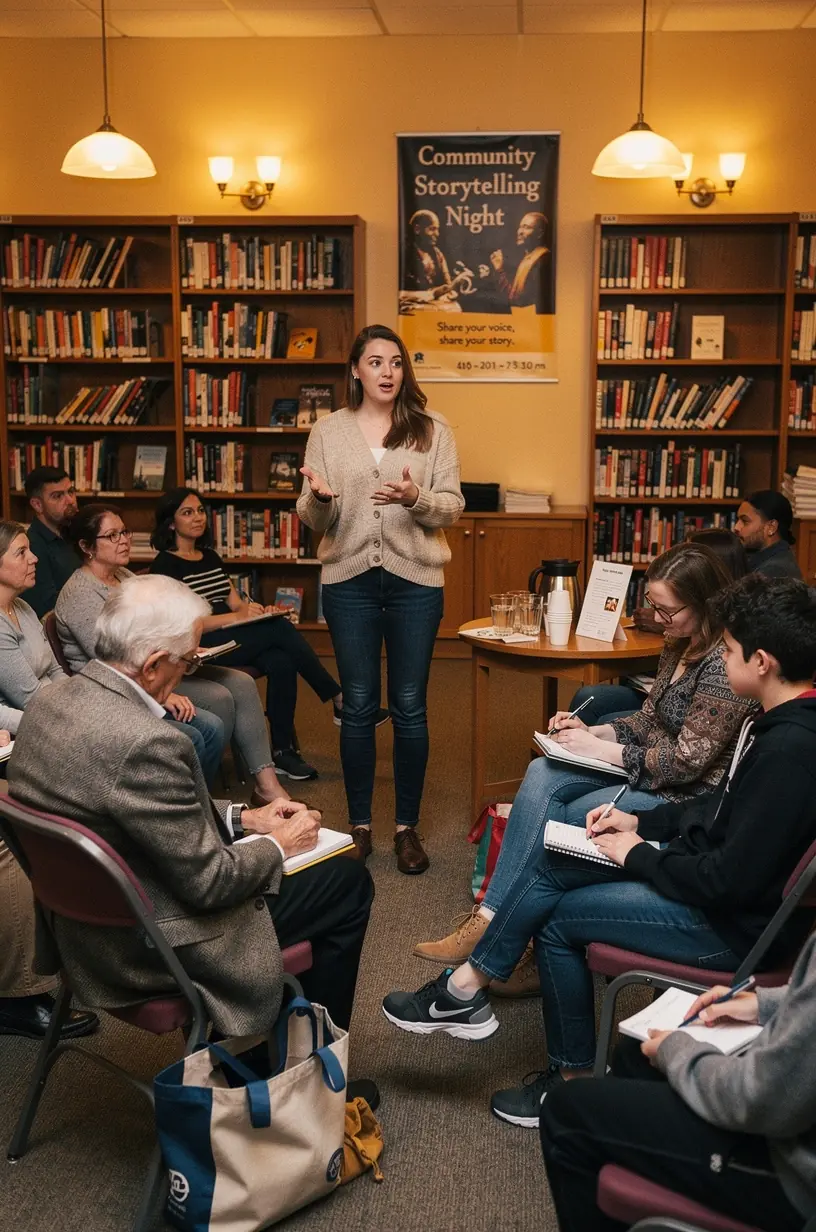
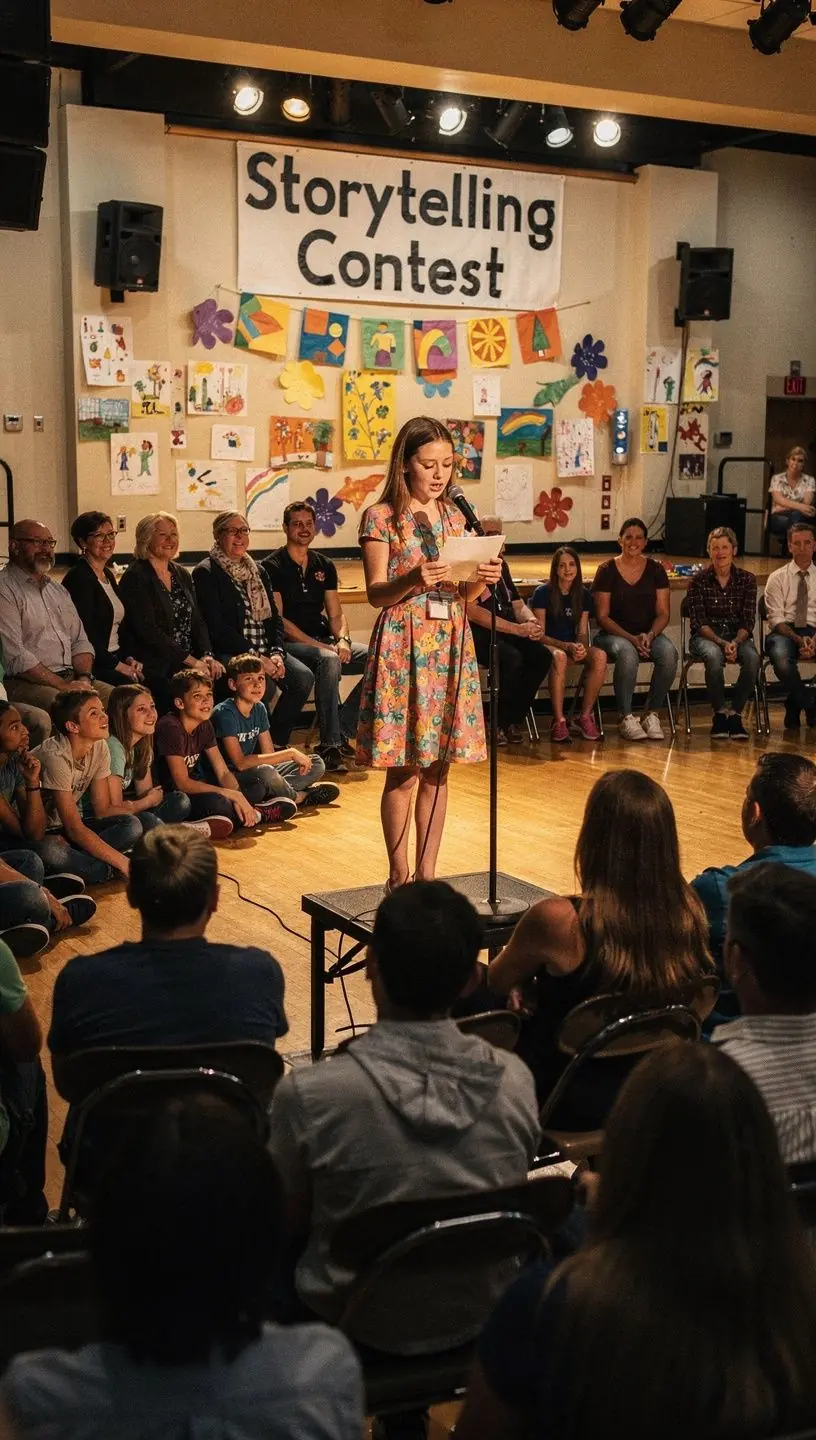
Storytelling through art can take many forms, from murals that depict local history to performances that address current social issues. These artistic expressions often resonate deeply with community members, making complex issues more accessible. For example, studies indicate that participatory art projects can lead to greater community engagement and empowerment, as individuals see their stories represented and valued.
Engaging Community Voices
Involving community members in the creation of art strengthens the narrative being told. This approach fosters collaboration and inclusivity, allowing diverse voices to contribute. Experts recommend that communities focus on participatory methods, as they have been shown to enhance the connection between individuals and their shared experiences.
Practical Applications of Art in Communities
- Mural Projects: These can transform public spaces, making art accessible to everyone while telling the story of the community's heritage.
- Theatre and Performances: Local stories can be brought to life through theatrical productions, which can address social issues and foster dialogue.
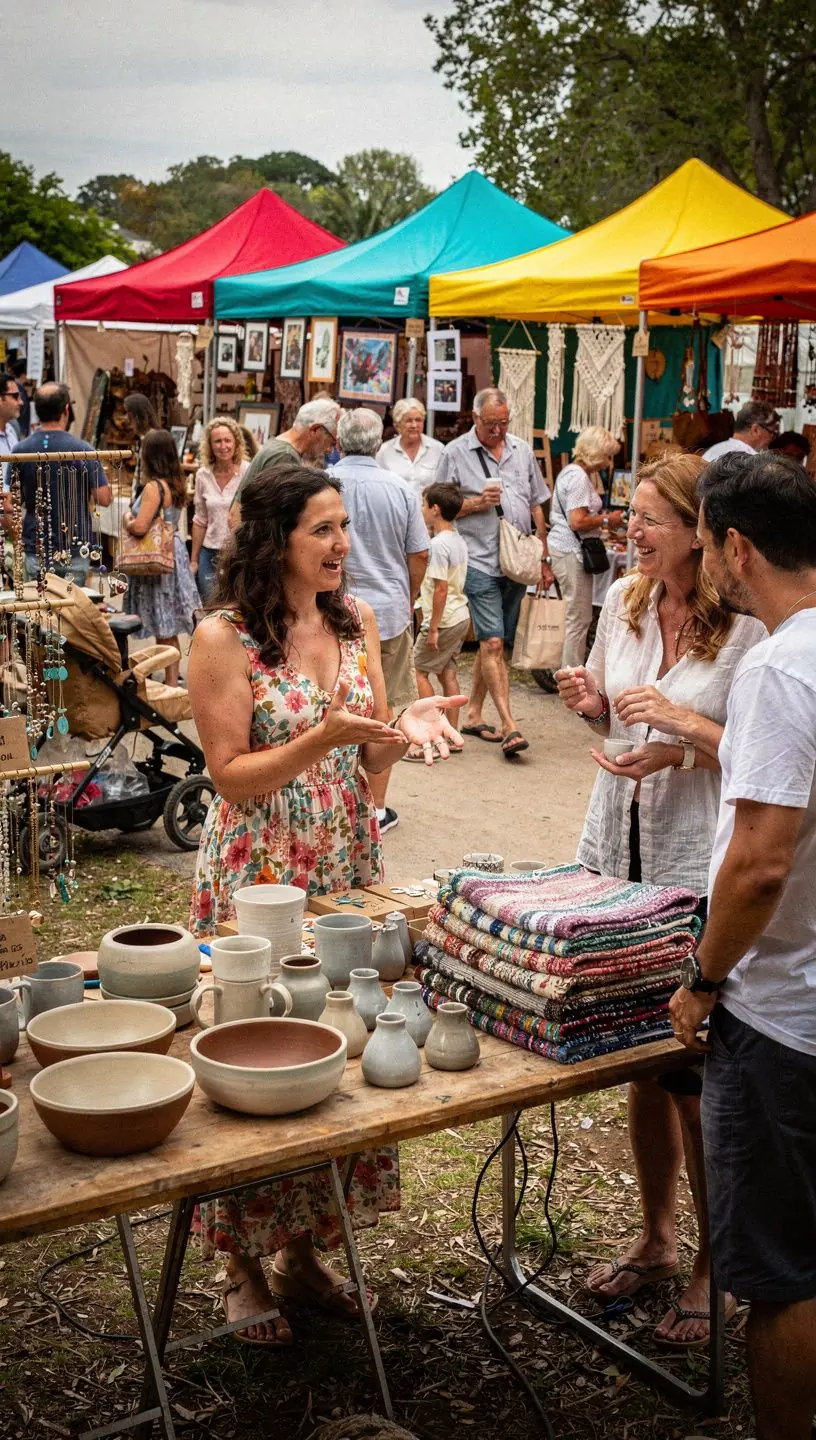
- Community Art Festivals: These events celebrate local artists and cultures, encouraging participation and collaboration among community members.
Challenges in Integrating Art into Community Narratives
While the benefits of art in community storytelling are significant, challenges exist. Limited funding, differing opinions on artistic direction, and the need for sustained community engagement can complicate efforts. It's important for communities to acknowledge these challenges and consider strategies for overcoming them, such as seeking grants or forming partnerships with local organizations.
Conclusion
Art serves as a vital tool in weaving the narratives of communities, reflecting their identities and addressing their shared challenges. By fostering participation and engagement, art can strengthen community bonds and promote understanding. As communities look to tell their stories, embracing the diverse artistic expressions available can lead to greater connection and resilience.