How to Facilitate Story Circles in Your Community
Story circles can serve as a powerful tool for fostering connection and understanding within communities. This article explores how to effectively facilitate story circles, highlighting key steps and best practices that can help create meaningful dialogue.
Understanding the Concept of Story Circles
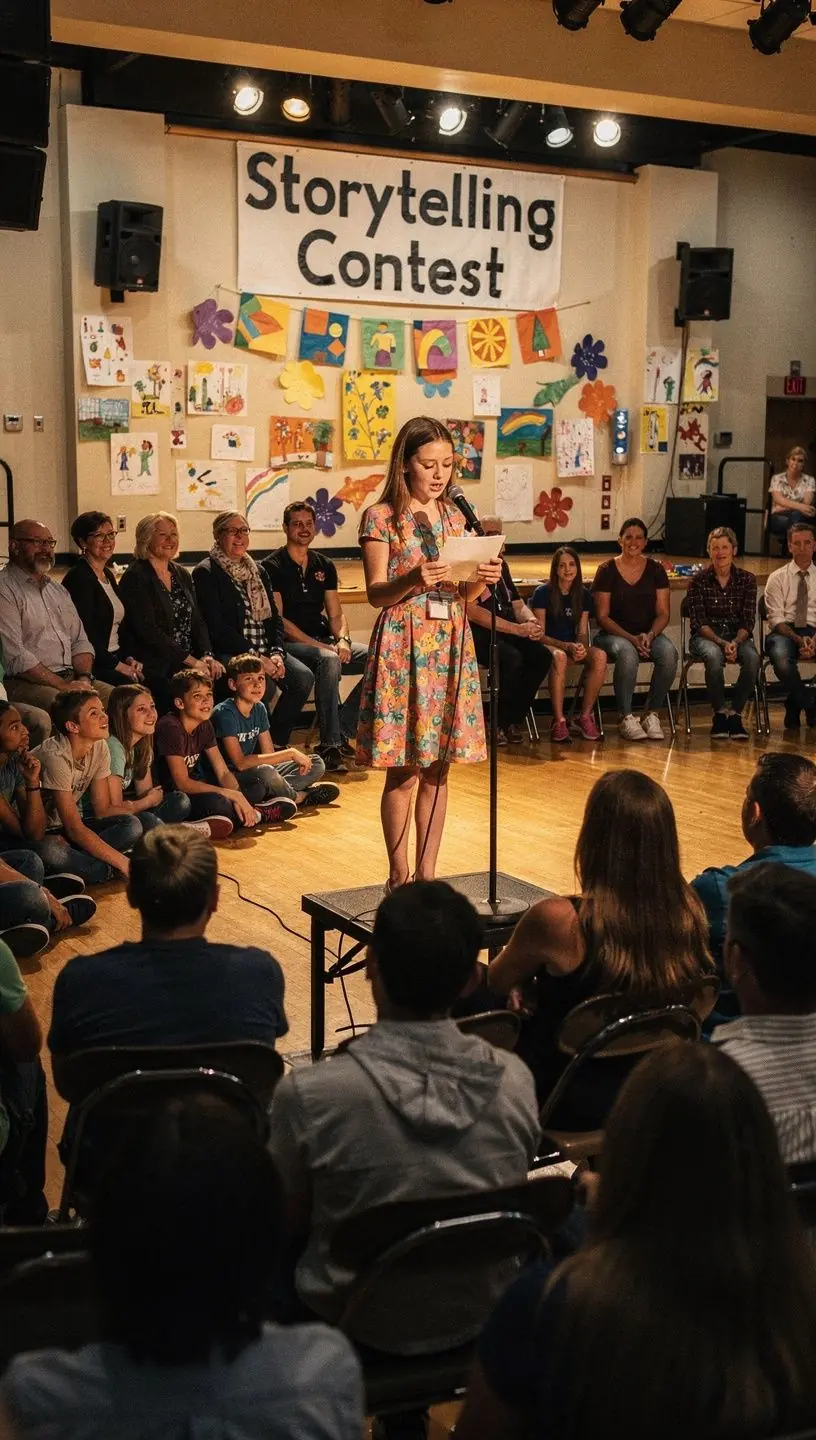
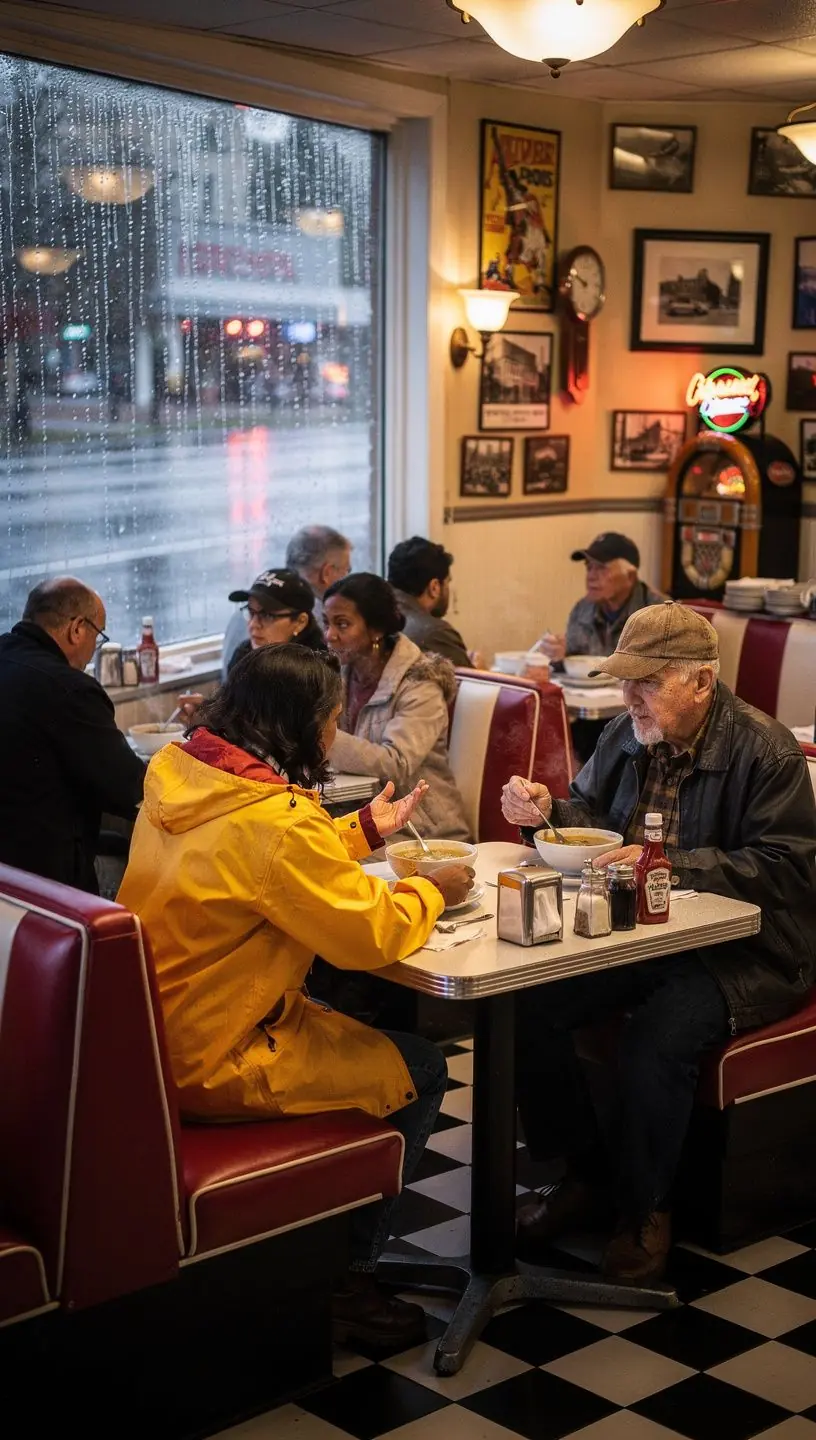
Story circles are intimate gatherings where individuals share personal narratives in a respectful and supportive environment. According to research in communal practices, facilitating such circles can enhance community bonds and encourage diverse perspectives. Experts suggest that storytelling can be a means of processing experiences, often leading to increased empathy among participants.
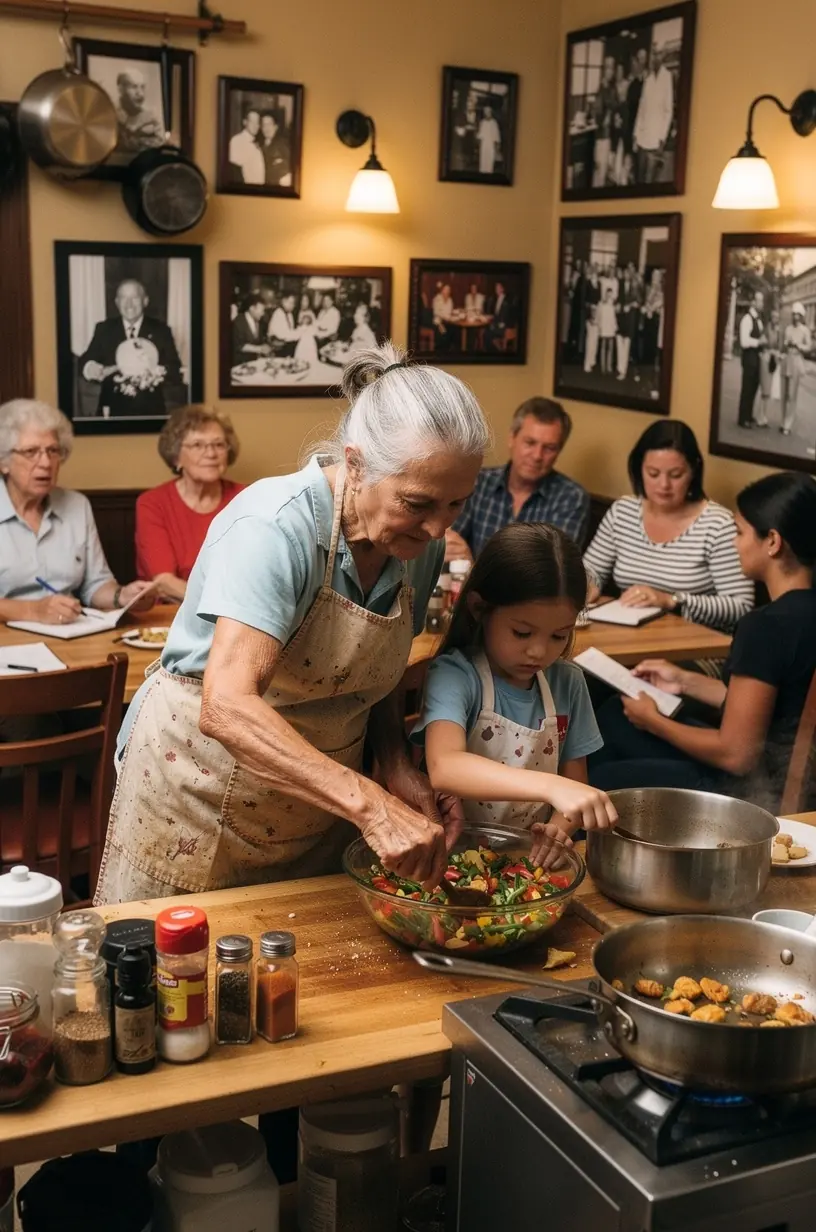
"Storytelling is a fundamental human experience that deepens our connections and fosters understanding." - Community Development Expert
Preparation: Setting the Stage
Creating an effective story circle requires careful preparation. Here are some critical steps to consider:
- Select an Appropriate Venue: Choose a comfortable and accessible space that can accommodate your group size. A quiet environment encourages open communication.
- Establish Clear Guidelines: Set expectations for respect and confidentiality. This helps create a safe atmosphere where participants feel comfortable sharing.
- Plan the Duration: Typically, story circles run for about 1-2 hours. This timeframe allows ample opportunity for sharing without feeling rushed.
Facilitating the Circle: Key Techniques
Once the preparations are in place, the next step involves effective facilitation. Here are some proven techniques:
- Start with an Icebreaker: A warm-up activity can help participants relax and get to know one another. For example, sharing a favorite memory related to the circle's theme can break the ice.
- Use a Talking Piece: Implementing a talking piece allows for structured sharing, where only the person holding the item speaks. This technique promotes active listening and respect.
- Encourage Reflection: After each story, invite the group to share their thoughts or feelings. This reflective practice can deepen connections and enhance understanding.
Acknowledge Challenges and Limitations
While story circles can be a valuable community-building tool, it’s important to recognize potential challenges. Facilitators may encounter participants who are hesitant to share due to past experiences or cultural differences. It is essential to approach these situations with sensitivity and patience.
Furthermore, the process of storytelling often requires vulnerability and trust, which may take time to develop. Some participants may need multiple sessions to feel comfortable enough to share openly.
Conclusion: Building Community Through Storytelling
Facilitating story circles can significantly enhance community engagement and understanding. By carefully preparing, employing effective techniques, and recognizing potential challenges, facilitators can create an enriching environment for all participants. This approach not only fosters connection but also encourages individuals to share their unique narratives, ultimately benefiting the entire community.