Creating a Safe Space for Sharing Personal Stories
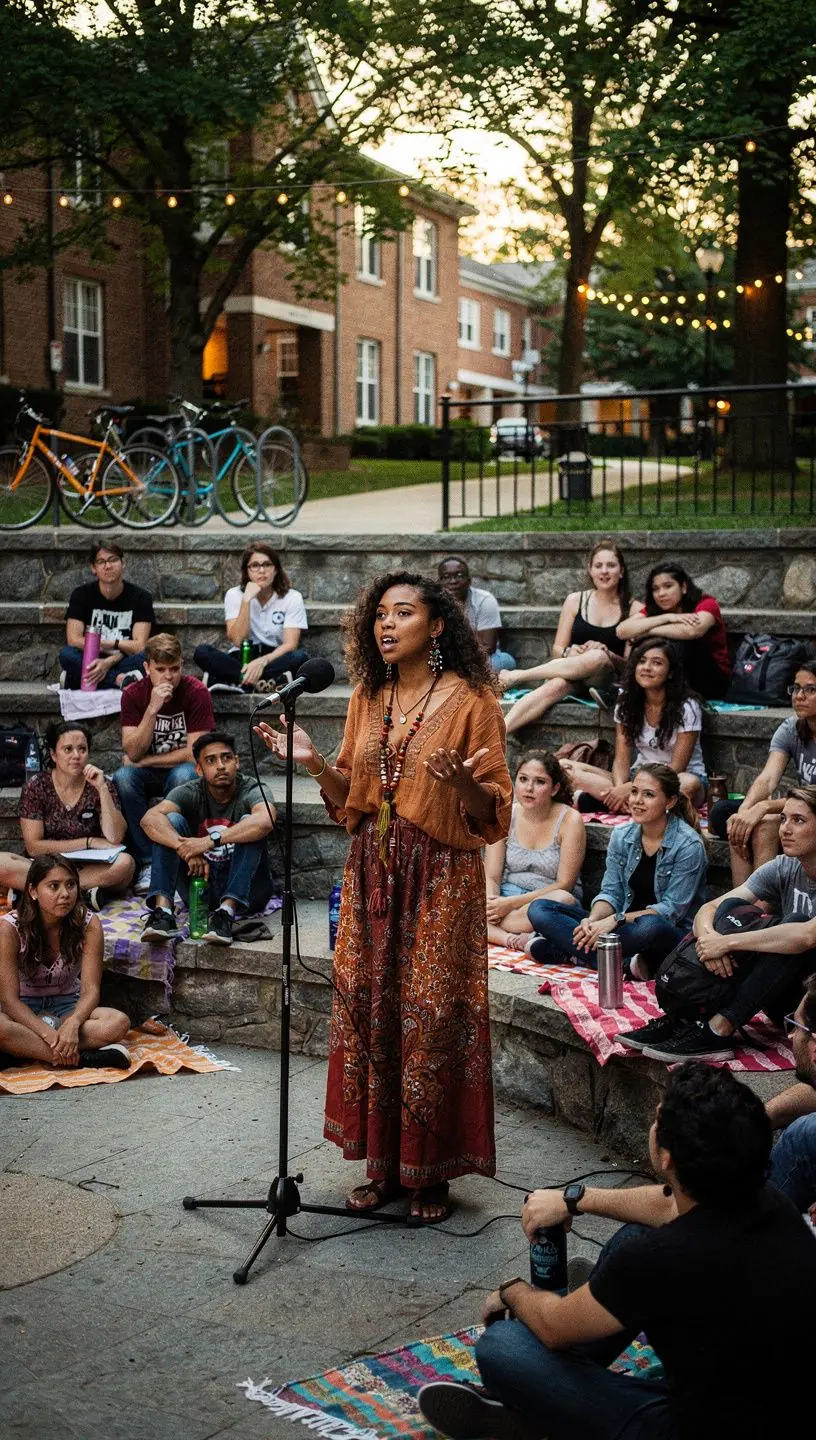
In a world where personal narratives often go unheard, fostering an environment that encourages individuals to share their stories is essential. This article explores the importance of creating safe spaces for sharing personal experiences, the challenges faced, and practical approaches to encourage this vital form of expression.
Understanding the Importance of Safe Spaces
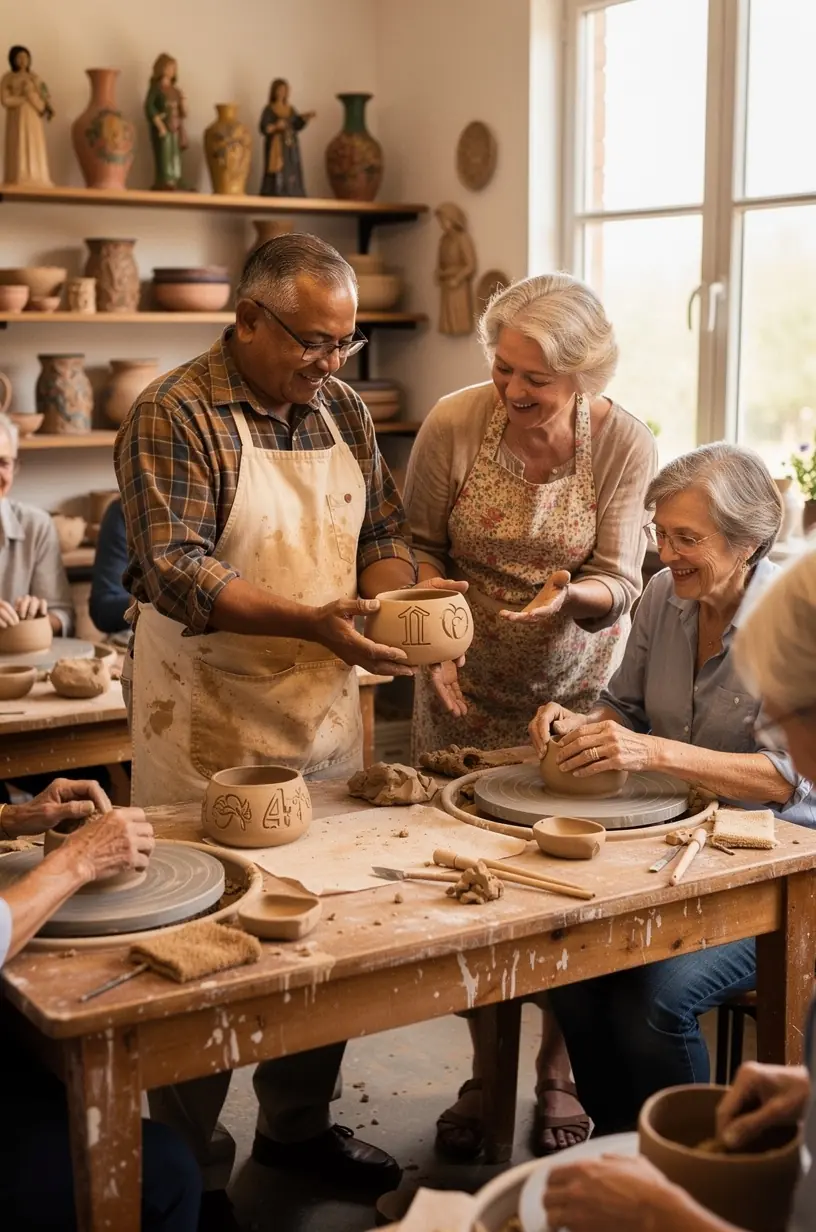
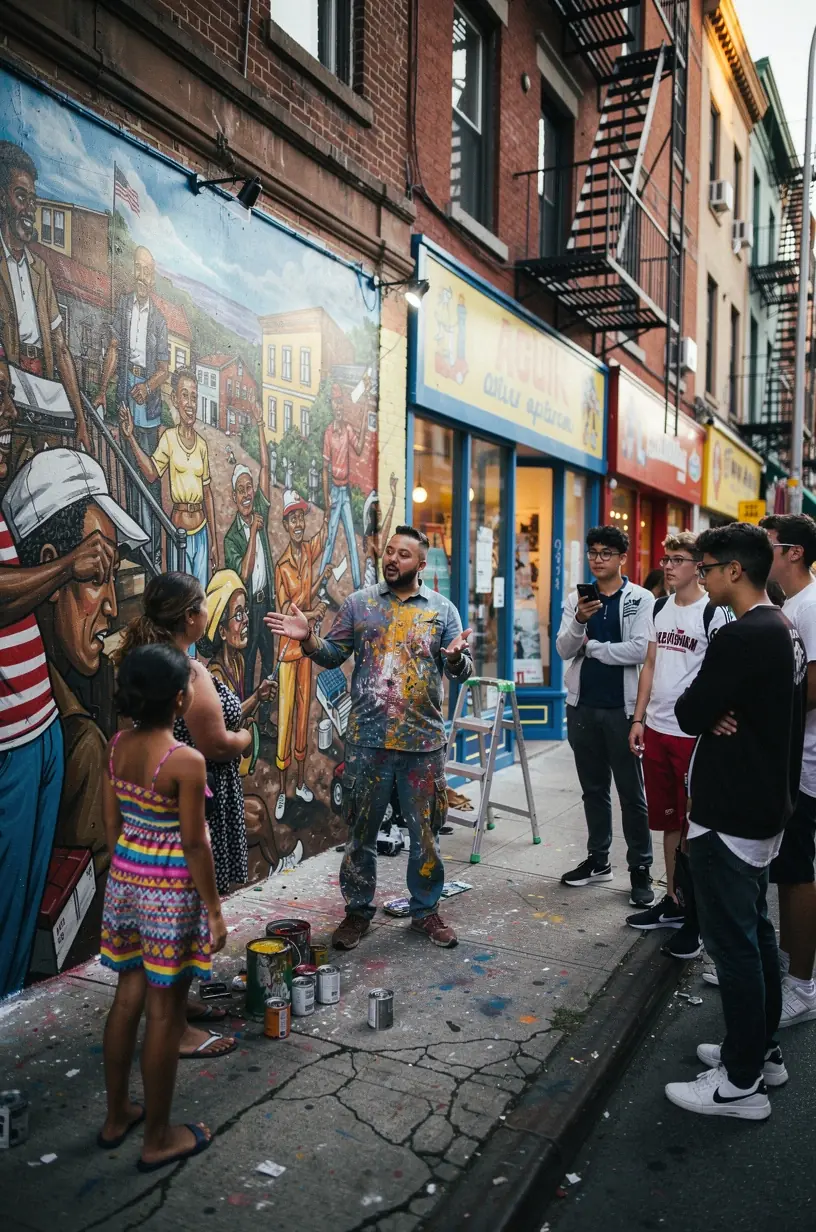
Safe spaces are environments where individuals can share their thoughts and experiences without fear of judgment or retribution. According to research, individuals who engage in storytelling often experience increased emotional resilience and community bonding. Creating a safe space can lead to a deeper understanding of diverse experiences and strengthen community ties.
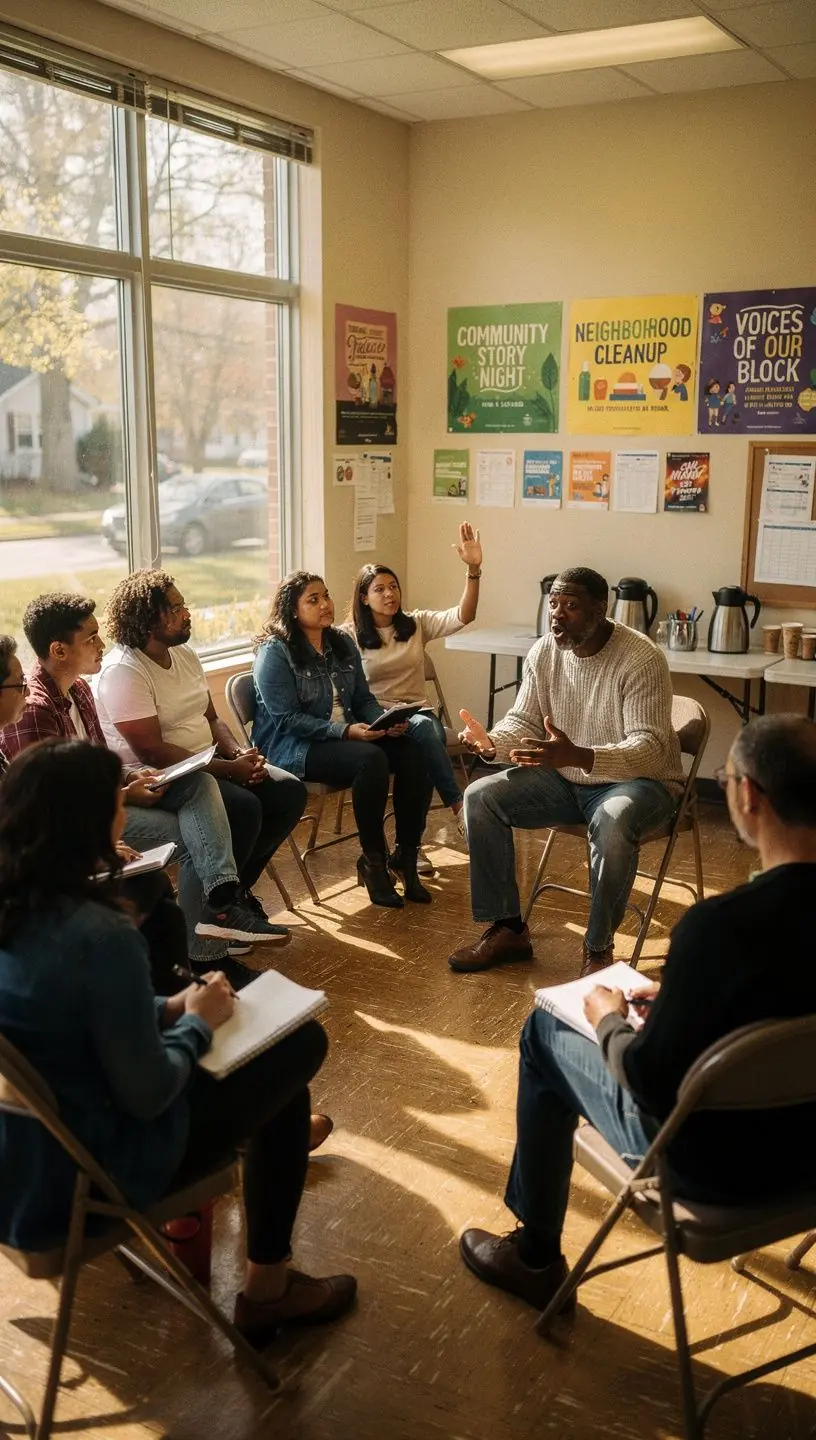
"Storytelling is a powerful tool for connection. It allows us to see the world through the eyes of others, fostering empathy and understanding." - Community Psychologist
Challenges to Creating Safe Spaces
While the idea of safe spaces is appealing, there are several challenges that communities may face:
- Fear of Vulnerability: Many individuals hesitate to share personal stories due to the fear of being vulnerable or judged.
- Previous Negative Experiences: Past experiences of sharing stories that were poorly received can deter individuals from participating in future discussions.
- Cultural Differences: Different backgrounds can influence how stories are told and received, making it essential to respect and understand these variations.
Practical Approaches to Foster Safe Sharing
Building a safe space for storytelling involves deliberate actions and a thoughtful approach:
- Establish Ground Rules: Create guidelines that promote respect and confidentiality. This may include using "I" statements and active listening techniques, which research shows can enhance communication and understanding.
- Encourage Active Listening: Participants should be trained in active listening skills. According to experts, this fosters a sense of validation and support among group members.
- Provide Supportive Feedback: Encouraging positive and constructive feedback can help individuals feel comfortable sharing their experiences. Many users report that this practice significantly enhances their willingness to open up.
Conclusion
Creating a safe space for sharing personal stories is not only beneficial for individual growth but also essential for community building. By understanding the challenges and implementing practical strategies, communities can foster an environment where everyone feels valued and heard. Remember, the journey of storytelling is invaluable, and the more we encourage sharing, the more we strengthen our connections with one another.