The Power of Intergenerational Storytelling
In many communities across the United States, storytelling serves as a vital bridge between generations, fostering connections and understanding. Intergenerational storytelling not only preserves cultural heritage but also provides solutions to modern challenges.
Understanding Intergenerational Storytelling
Intergenerational storytelling refers to the practice of sharing stories among different age groups, particularly between older and younger individuals. This exchange can be beneficial in numerous ways. According to research, engaging in storytelling can improve cognitive function in older adults and enhance empathy in younger generations. Many experts recommend fostering these connections as a means of preserving history and identity.
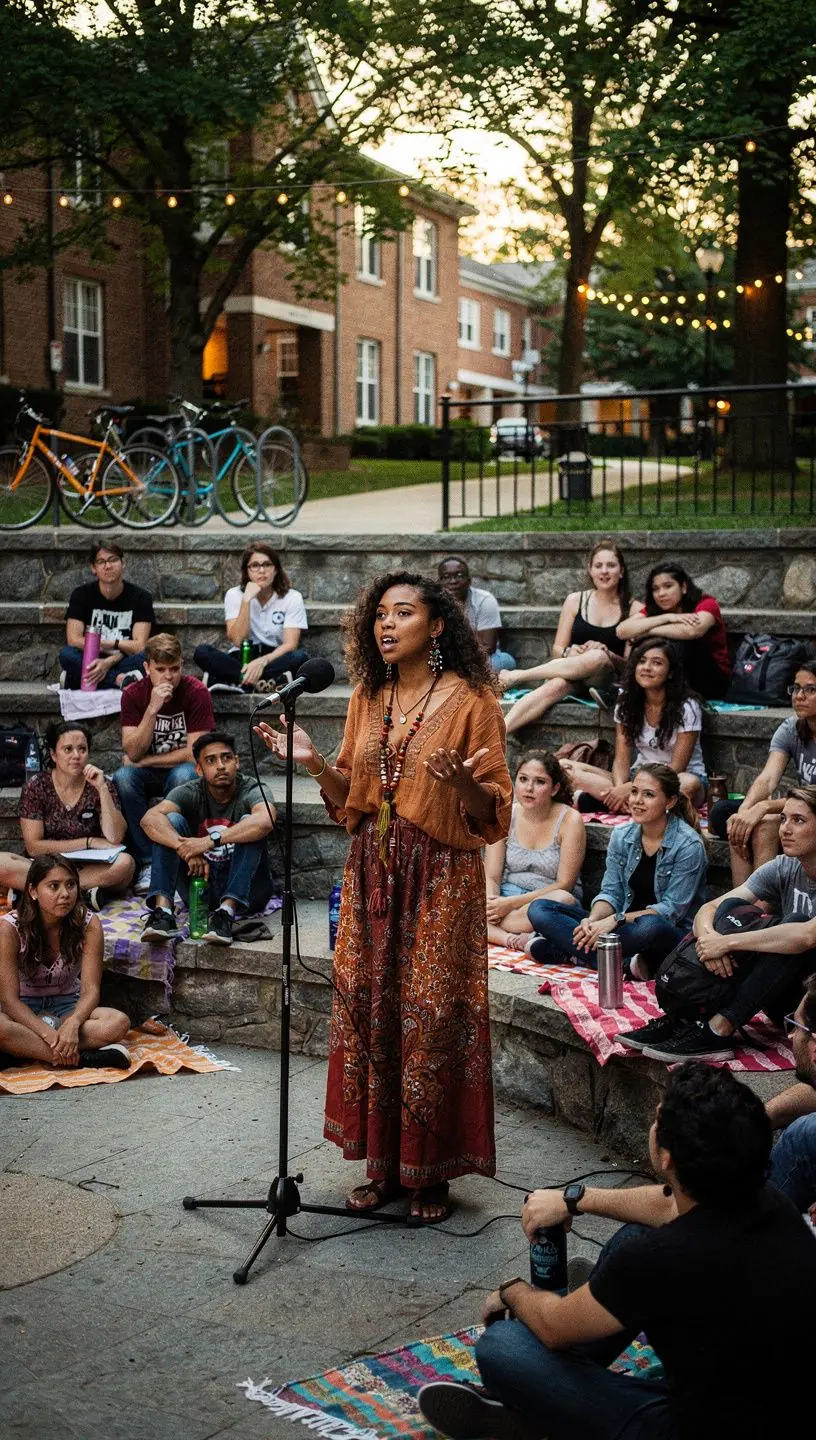
"Storytelling is a powerful tool that transcends age and time, allowing us to connect with one another on a deeper level."
The Benefits of Sharing Experiences
Intergenerational storytelling can bring about several positive outcomes, including:
- Building Relationships: Sharing personal narratives fosters bonds between generations, creating a sense of community and belonging.
- Enhancing Understanding: Younger individuals often gain insights into the challenges faced by their elders, while older individuals can learn about the perspectives of the youth.
- Cultural Preservation: Storytelling helps to keep traditions alive, ensuring that cultural practices and histories are not lost.
Practical Ways to Encourage Storytelling
Incorporating intergenerational storytelling into community activities typically involves a few steps:
- Create Opportunities for Interaction: Organize events where different age groups can meet and share their stories, such as community fairs or local gatherings.
- Utilize Technology: Encourage storytelling through digital means, allowing younger individuals to document and share stories from their elders via social media or video recordings.
- Facilitate Discussions: Create structured environments where stories can be shared, such as book clubs or discussion groups, focused on themes relevant to both generations.
Challenges and Considerations
While intergenerational storytelling has significant benefits, it also comes with challenges. Engaging both age groups may require time and effort. It's crucial to acknowledge that:
- This process can take time to develop, with successful storytelling sessions often requiring consistent engagement.
- Building rapport between generations may involve overcoming stereotypes and biases that individuals hold about each other.
Conclusion
Intergenerational storytelling holds immense potential for fostering understanding, preserving culture, and building strong community ties. By facilitating these exchanges, communities can address modern challenges while celebrating their rich histories. As we share our stories, we not only connect with one another but also pave the way for future generations to learn and grow.