Using Storytelling for Conflict Resolution
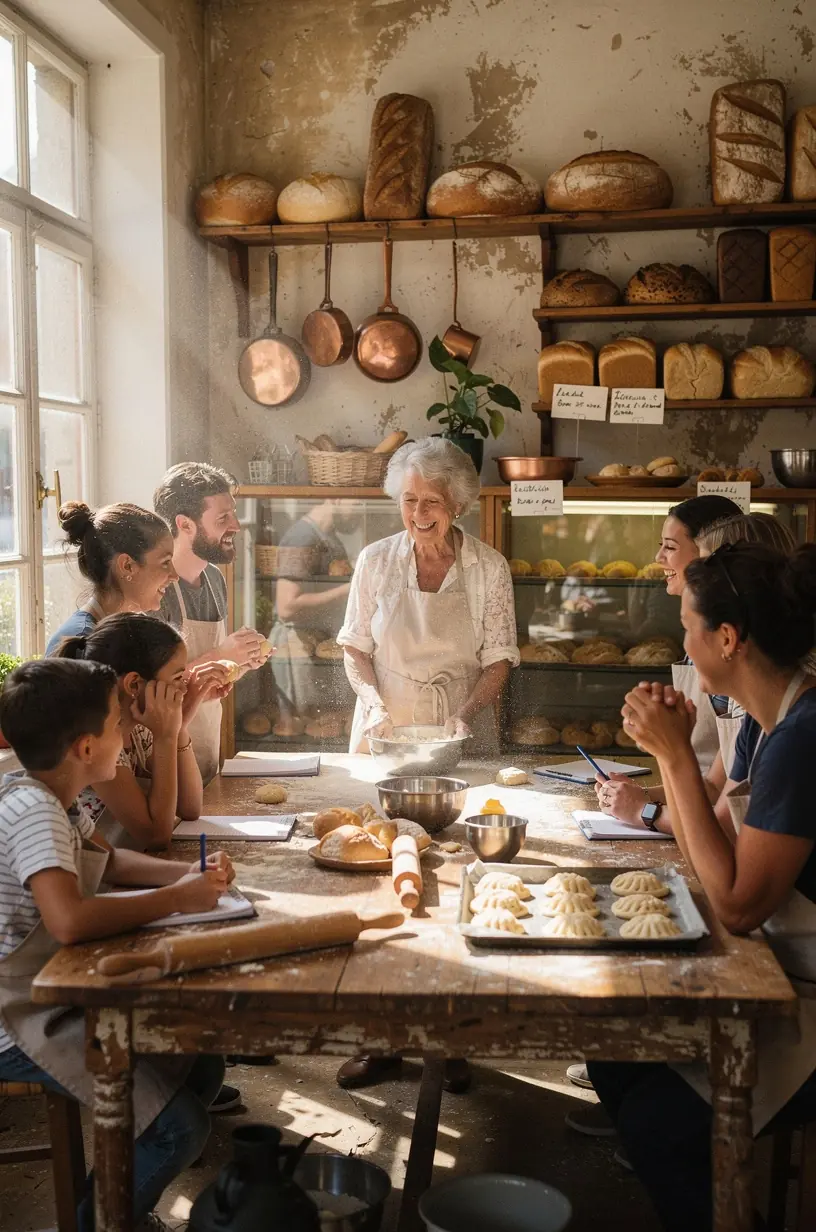
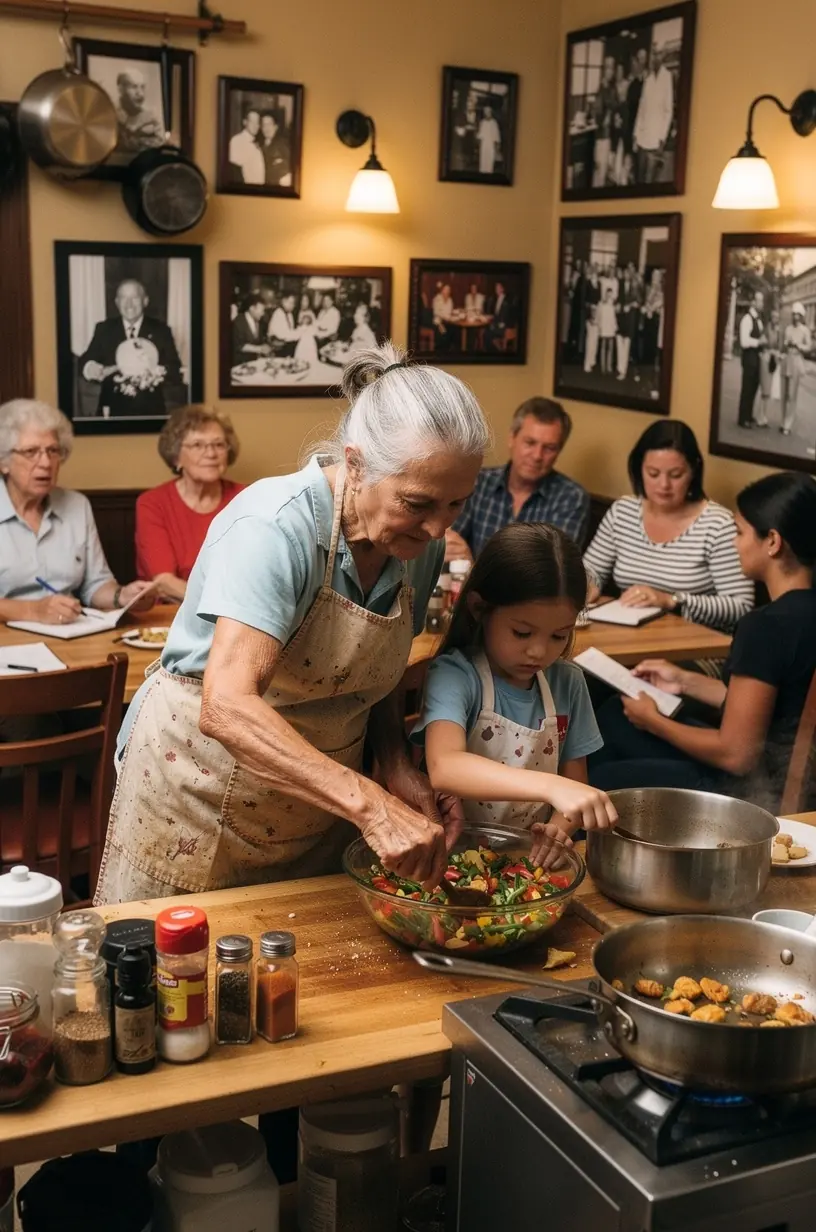
Storytelling is not just a way to entertain; it can also be a powerful mechanism for resolving conflicts. By sharing personal experiences and perspectives, individuals can create understanding and foster dialogue. This article explores how storytelling can facilitate conflict resolution in various community settings.
Understanding the Role of Storytelling
Storytelling engages both the mind and emotions, allowing individuals to connect on a deeper level. According to research by the Harvard Business Review, narratives can shift perspectives and encourage empathy. This is crucial in conflict scenarios where misunderstandings often fuel disputes.

"Storytelling allows individuals to see the world through another's eyes, which can reduce tension and foster collaboration."
How Storytelling Facilitates Communication
When individuals share their stories, they often reveal their motivations and feelings. This transparency can lead to a more open dialogue. Experts recommend using the following techniques:
- Active Listening: Participants should listen without interruption, allowing the storyteller to fully express their experiences.
- Finding Common Ground: Identify shared values or experiences that resonate with all parties involved. This can create a sense of unity.
- Encouraging Vulnerability: Sharing personal stories can encourage others to do the same, creating a safe space for honest communication.
Implementing Storytelling in Conflict Resolution
In practice, storytelling can be integrated into conflict resolution through structured dialogues or community meetings. This process typically involves:
- Preparation: All parties are encouraged to reflect on their experiences related to the conflict.
- Sharing: Each participant shares their story in a respectful environment.
- Discussion: Following the storytelling, the group discusses insights and feelings that emerged.
This method may not yield immediate results, as the process typically takes time to shift perspectives. However, studies indicate that communities that adopt storytelling for conflict resolution often experience improved relationships and reduced hostility over time.
Potential Limitations
While storytelling can be a powerful tool, it is important to recognize its limitations. In some cases, individuals may not feel comfortable sharing personal stories due to cultural differences or past traumas. Additionally, the effectiveness of storytelling may vary based on the complexity of the conflict. Experts suggest that storytelling works best when there is a foundation of trust among participants.
Conclusion
Using storytelling for conflict resolution presents an effective approach to bridging divides and fostering understanding. By encouraging individuals to share their narratives, communities can cultivate empathy and facilitate constructive dialogue. The process requires patience and commitment, but many communities in the U.S. have successfully employed this method to navigate their challenges.