How to Collect and Preserve Local Histories
Collecting and preserving local histories is essential to maintaining cultural heritage and community identity. This article provides insights into effective methods for gathering these stories, emphasizing the importance of community involvement and thoughtful documentation.
Understanding the Importance of Local Histories
Local histories provide context for community values, traditions, and challenges. According to experts in cultural studies, these narratives can enhance community cohesion and serve as educational resources. They help current and future generations understand their roots and the evolution of their surroundings.

"Collecting local histories not only preserves memory but also strengthens community ties by connecting individuals to their collective past." - Cultural Heritage Expert
Steps for Collecting Local Histories
Engaging with your community is crucial in gathering local histories. Here are some practical steps to consider:
- Identify Key Figures: Reach out to local historians, elders, and active community members who have firsthand experiences or knowledge about the area.
- Conduct Interviews: Schedule interviews either in person or via digital platforms. Prepare open-ended questions that encourage storytelling rather than simple yes-or-no responses. Research indicates that personalized storytelling can evoke deeper emotional responses, thus leading to richer content.
- Document Stories: Use audio or video recording tools to capture interviews. Transcribing these narratives can also help preserve the nuances of the stories. According to best practices in oral history, maintaining a record of the interviewee’s voice and demeanor can enhance future understanding.
- Gather Supporting Materials: Encourage community members to share photographs, letters, and artifacts related to their stories. This not only enriches the narrative but also provides a tangible connection to the past.
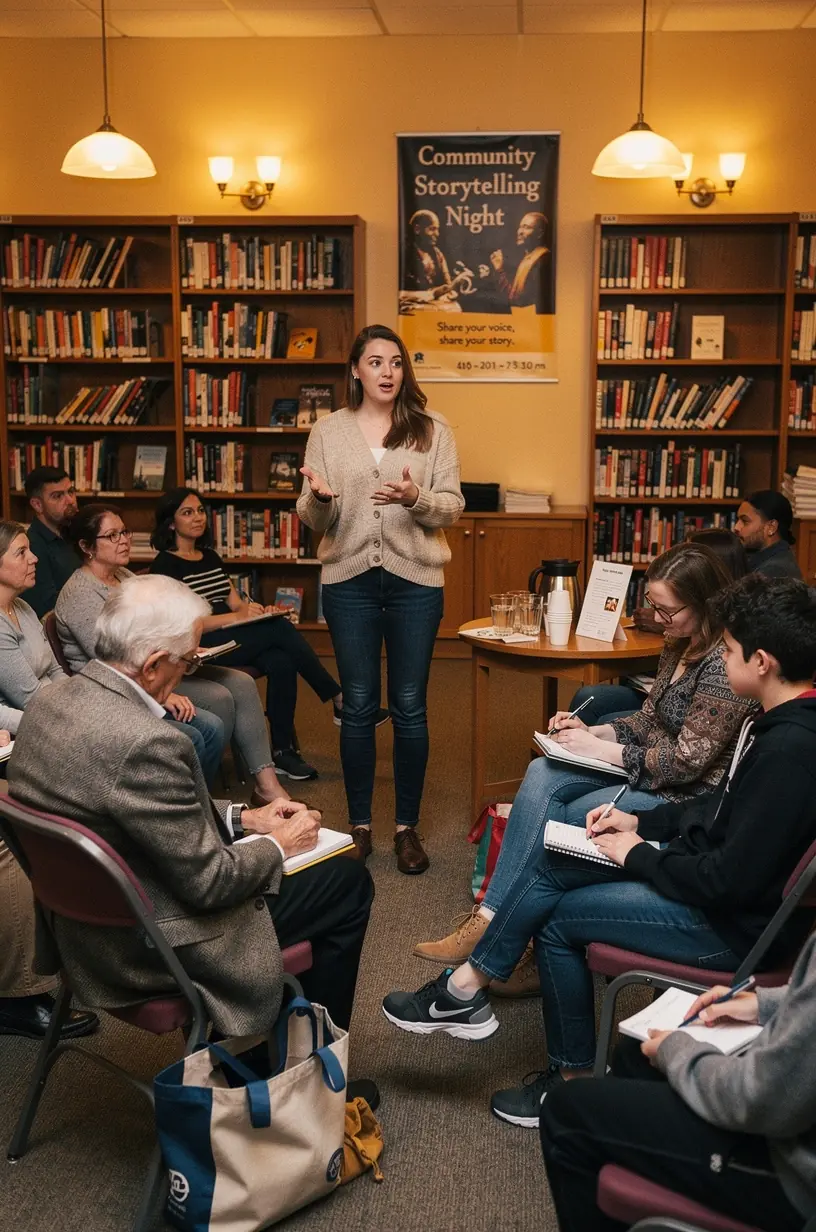
- Organize Community Events: Hosting storytelling events can encourage participation and foster a sense of community. These events can act as platforms for sharing collected histories and can help raise awareness about the importance of preservation.
Preserving Collected Histories
Once you have gathered stories, preserving them is vital to ensure their longevity. Here are methods to consider:
- Digital Archives: Consider setting up a digital archive where stories and materials can be stored securely. Research suggests that digital preservation can significantly extend the lifespan of historical records.
- Local Libraries and Museums: Collaborate with local institutions that may be interested in preserving these histories as part of their collections. Many libraries and museums have protocols in place for cataloging and safeguarding community narratives.
- Community Collaborations: Form partnerships with local schools and organizations to integrate local histories into educational programs, ensuring that these stories reach younger generations.
Challenges in Collecting Local Histories
While the process can be rewarding, it often presents challenges. Many users report difficulties in engaging reluctant participants or in preserving sensitive stories. It is crucial to approach these narratives with care and respect, recognizing that some histories may be painful or controversial.
Conclusion
Collecting and preserving local histories is a meaningful endeavor that can foster community pride and understanding. By following the outlined steps and considering the challenges, individuals and communities can create a rich tapestry of shared experiences. Engaging with local histories not only honors the past but also builds a foundation for a more connected future.