How Local Events Foster Community Connections
Local events play a significant role in building connections within communities. They serve as platforms for individuals to engage with one another, share experiences, and address common challenges. Understanding the dynamics of these gatherings can provide valuable insights into their impact on community cohesion.
The Importance of Local Events
According to research, local events contribute to the development of social networks, which are crucial for fostering a sense of belonging. These gatherings often encourage individuals to step out of their comfort zones and engage with neighbors, thereby strengthening community ties. Experts in social sciences highlight that participation in community events can lead to a more integrated population, improving overall well-being.

"Community events are effective at reducing social isolation and enhancing local identity." - Community Development Research Institute
Mechanisms of Connection
Local events create opportunities for interaction in several ways:
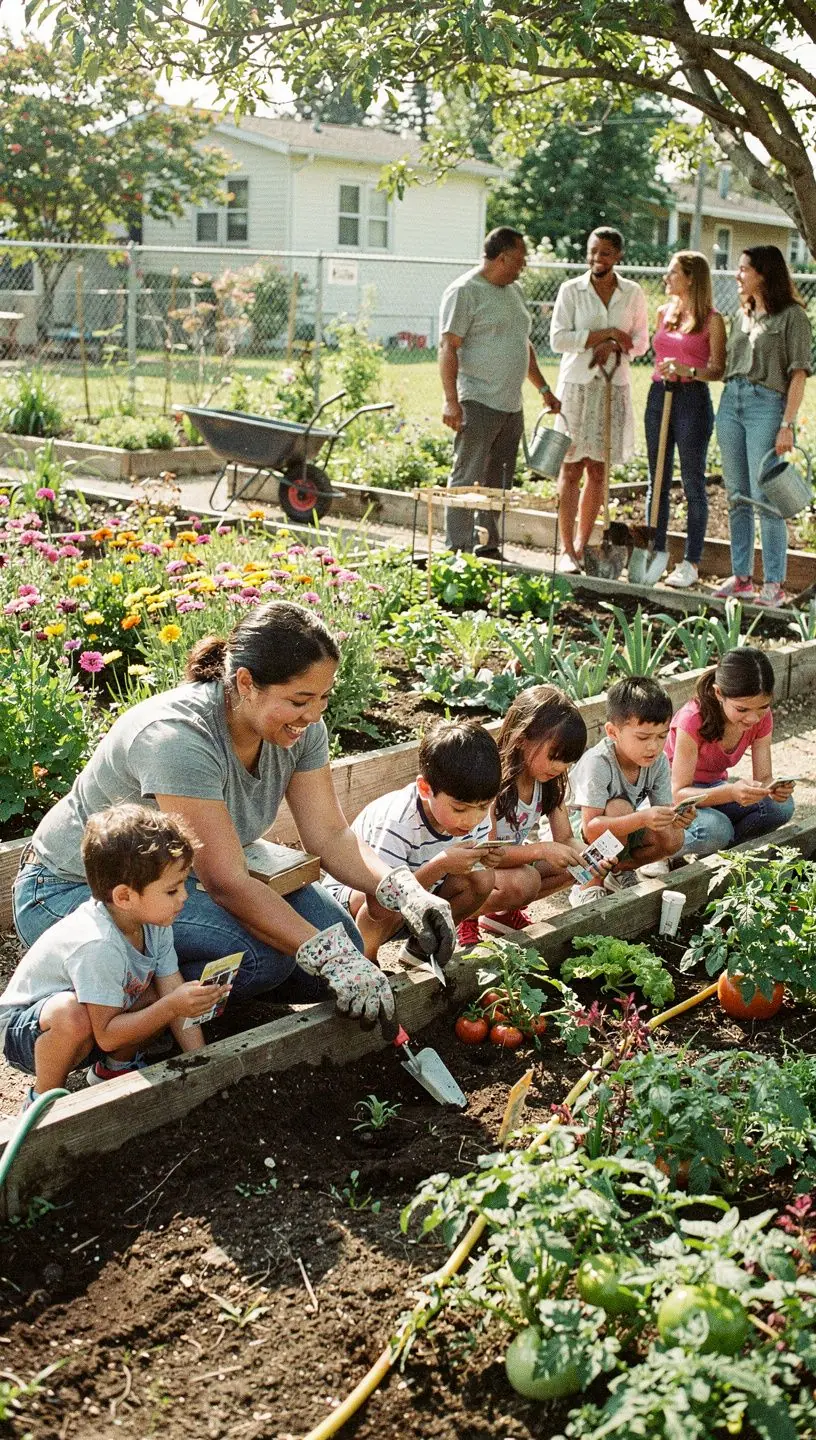
- Shared Experiences: Attendees often bond over shared interests or challenges, which can lead to meaningful relationships.
- Networking Opportunities: These events frequently serve as informal networking opportunities, which can benefit local businesses and individuals alike.
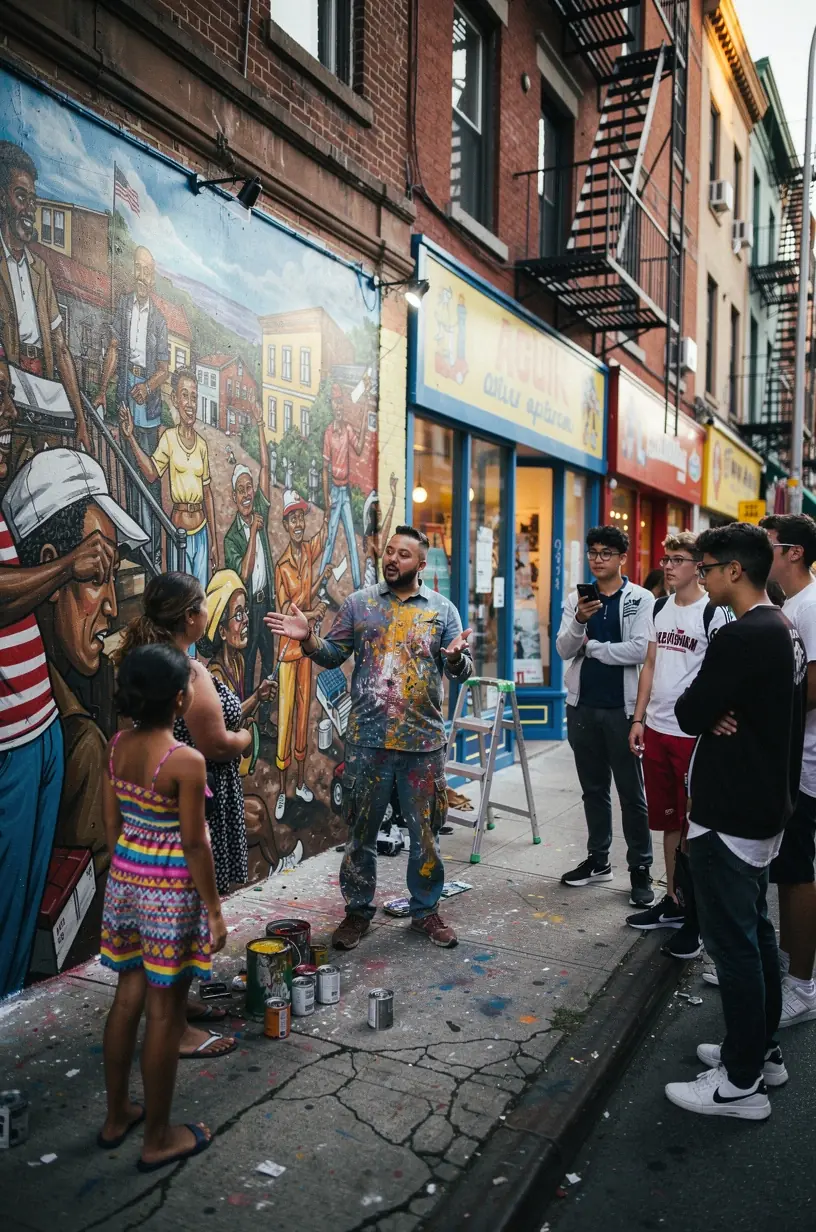
- Engagement with Local Issues: Community events often highlight local challenges, encouraging residents to work together towards solutions.
Types of Local Events
Various types of events can promote community connections, including:
- Festivals and Fairs: These events often attract a diverse group of attendees, fostering a sense of unity through celebration.
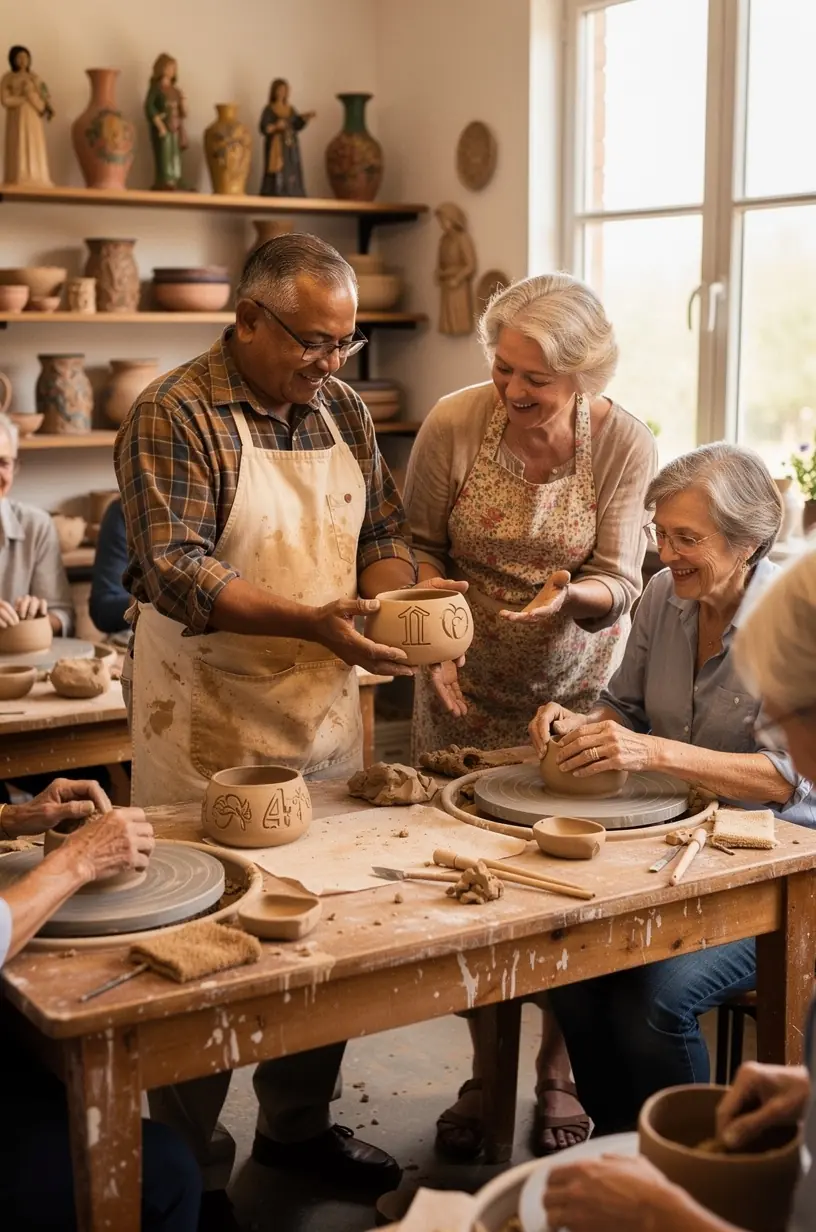
- Workshops and Forums: Educational gatherings that tackle local issues can empower residents to collaborate on solutions.
- Sporting Events: Friendly competitions can build camaraderie and a sense of team spirit among participants and spectators.
Challenges and Considerations
While local events are beneficial, there are challenges to consider:
- Resource Limitations: Organizing events requires time and funding, which can be a barrier for smaller communities.
- Inclusivity Issues: Efforts should be made to ensure events are accessible and welcoming to all community members.
- Engagement Levels: Not all residents may be inclined to participate, leading to unequal representation in community initiatives.
Conclusion
Local events are a vital component of community life, enabling individuals to connect and collaborate effectively. By participating in these gatherings, residents can enhance their social networks and contribute to a more inclusive and engaged community. Understanding the potential benefits and challenges of local events can help in planning more impactful gatherings that cater to the diverse needs of the population.