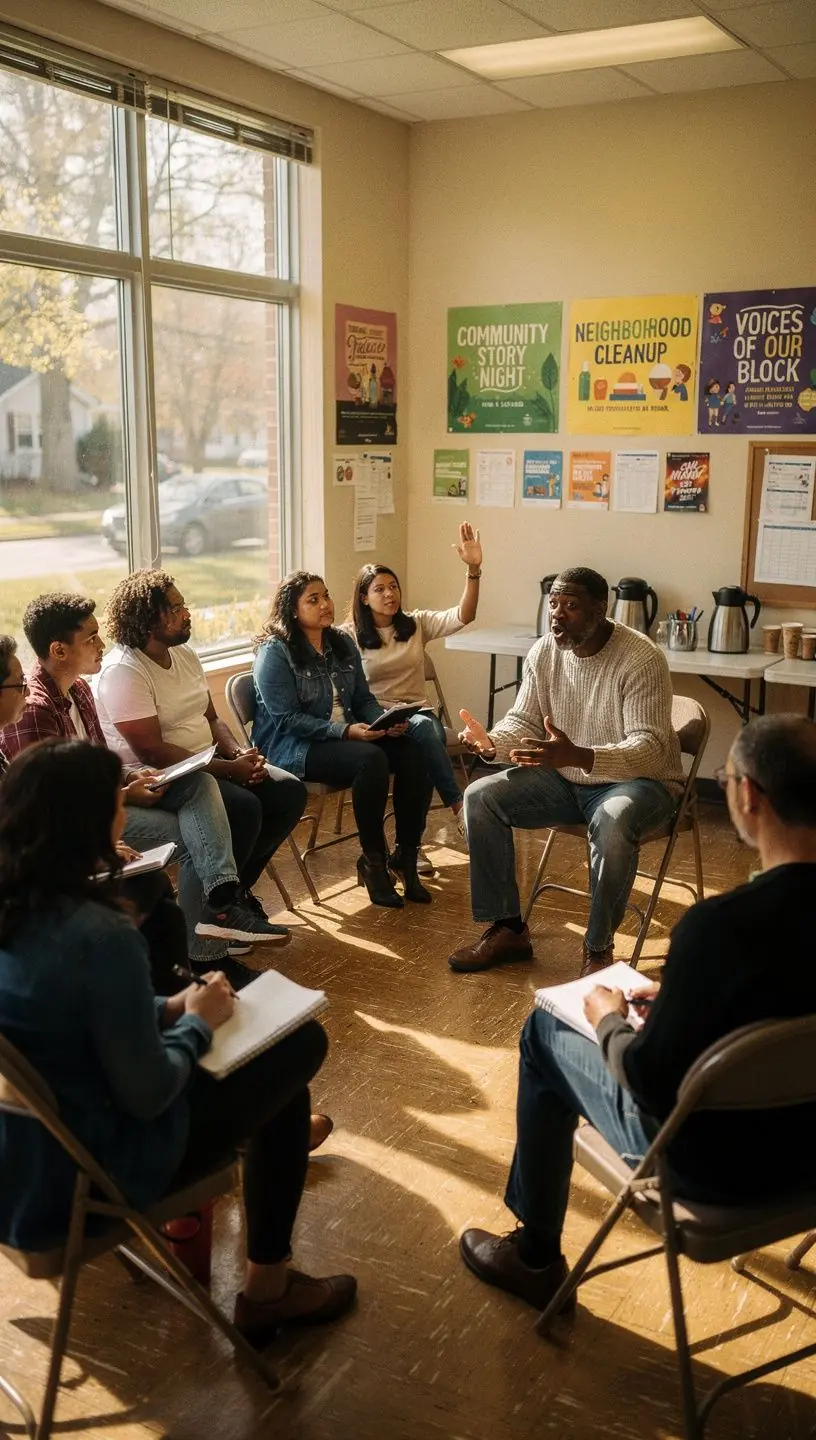
Challenges in Documenting Community Experiences
Documenting community experiences is a vital part of understanding local challenges and solutions. However, this process often faces numerous obstacles that can hinder effective storytelling. This article explores these challenges and provides insights into navigating them.
Understanding the Importance of Documentation
Community documentation plays a critical role in preserving cultural heritage and fostering connections among residents. According to research, communities with well-documented histories often demonstrate stronger social cohesion and resilience. This suggests that effective documentation can enhance community identity and encourage active participation.

"Communities that understand and document their shared narratives often see improvements in community engagement and problem-solving." - Community Development Expert
Common Challenges Faced
While the benefits of documenting community experiences are evident, several challenges can arise:
- Lack of Resources: Many communities struggle with limited access to funding and personnel, impacting their ability to document effectively.
- Technological Barriers: The digital divide often leaves some community members without the necessary tools or skills for online documentation.
- Fear of Reprisal: Individuals may hesitate to share personal stories due to fear of stigma or backlash within their communities.
Strategies for Effective Documentation
Addressing these challenges requires careful planning and consideration. Here are some strategies that may enhance the documentation process:
- Engage the Community: Involving community members in the planning stages fosters ownership and encourages participation. Research indicates that participatory approaches can lead to more authentic and richer documentation.
- Utilize Mixed Media: Combining written, audio, and visual methods can provide a more comprehensive view of community experiences. Experts recommend using various formats to cater to different preferences and skills.
- Build Trust: Establishing trust is crucial for encouraging individuals to share their stories. Transparency about how the documentation will be used can alleviate fears and promote participation.
The Role of Inclusivity
Inclusivity is vital in community documentation efforts. Ensuring that diverse voices are represented helps create a more accurate narrative. Studies show that communities that prioritize inclusivity often enjoy enhanced creativity and innovation in problem-solving as they weave together multiple perspectives.
Conclusion
Documenting community experiences is an essential endeavor that can yield significant benefits. However, challenges such as lack of resources, technological barriers, and fear of reprisal must be acknowledged and addressed. By engaging community members, utilizing mixed media, and fostering trust, communities can enhance their documentation efforts. These strategies not only enrich the storytelling process but also contribute to a deeper understanding of local experiences, ultimately leading to more effective solutions.