Exploring Local Folklore and Its Meaning
Folklore serves as a vital connection between communities, reflecting shared values, traditions, and the unique experiences of local inhabitants. This article delves into the significance of local folklore, its various forms, and how it can influence and shape community identity.
Understanding Folklore
Folklore encompasses a range of cultural expressions, including myths, legends, tales, and traditional practices. According to cultural anthropologists, folklore can be categorized into three main types: oral traditions, material culture, and customary practices. Each of these categories plays a crucial role in passing down knowledge and values through generations.

"Folklore reflects the collective identity of a community, offering insights into their history and cultural heritage."
The Role of Folklore in Community Identity
Many communities use folklore to foster a sense of belonging and shared identity. Research indicates that engaging with local tales and traditions can strengthen community ties and promote social cohesion. For instance:
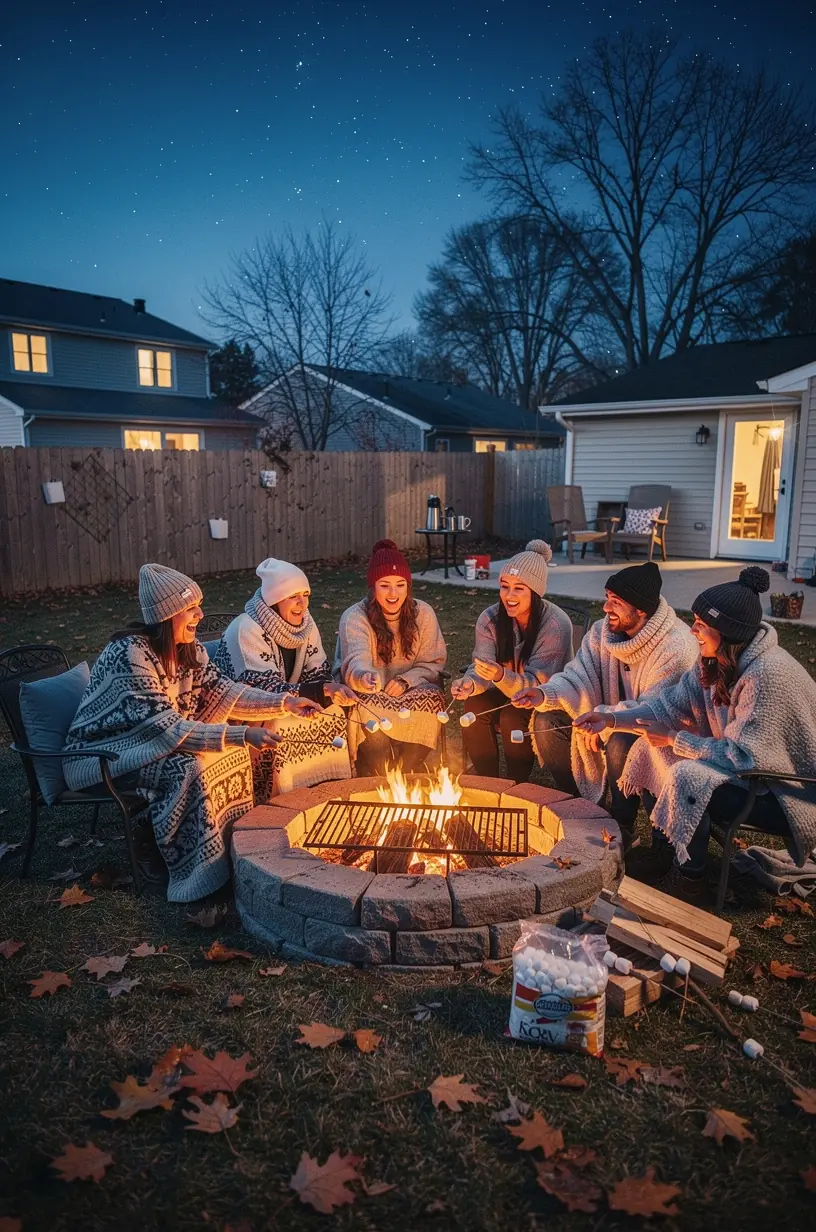
- Storytelling events often bring residents together, encouraging participation and dialogue about shared experiences.
- Local legends, such as ghost stories or historical accounts, connect individuals to their past, creating a shared narrative that enhances community pride.
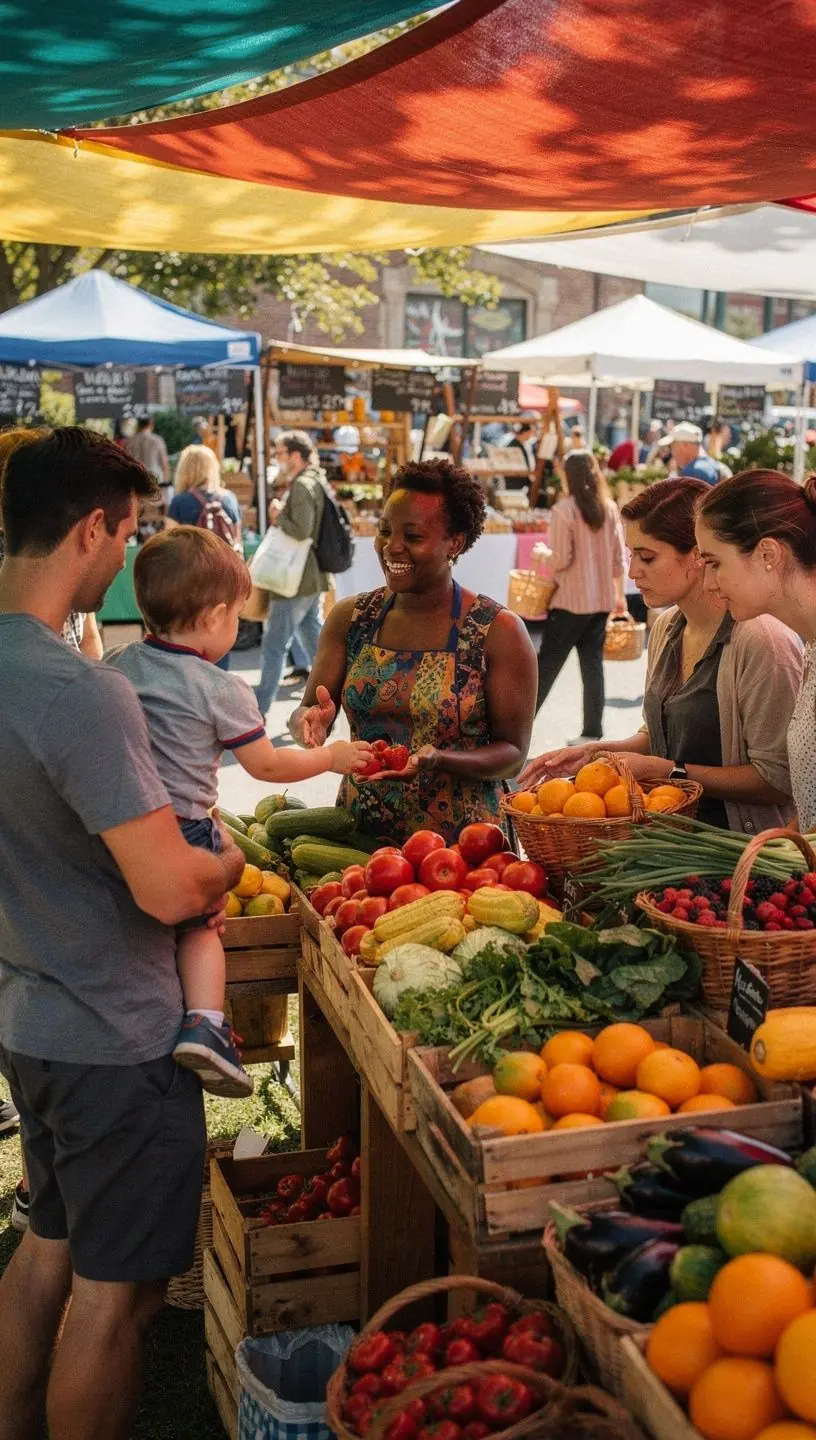
- Traditional festivals celebrating folklore provide opportunities for cultural exchange, reinforcing community bonds and attracting visitors.
Challenges in Preserving Folklore
Despite its importance, many communities face challenges in preserving their folklore. Changes in societal structures, urbanization, and globalization can threaten traditional storytelling practices. Experts suggest that proactive measures are needed to keep these traditions alive:
- Documenting stories and practices through interviews and recordings can help safeguard them for future generations.
- Community workshops that encourage local storytelling can enhance interest and participation, although they often require sustained effort and commitment.
- Collaborating with schools to incorporate local folklore into educational curricula can foster appreciation among younger generations.
Conclusion
Folklore is more than just stories; it is a lifeline connecting individuals to their heritage and each other. By understanding and valuing local folklore, communities can not only preserve their cultural identity but also enhance social cohesion. While challenges exist in maintaining these traditions, collaborative efforts can yield significant benefits. Engaging with folklore offers a pathway to understanding shared histories and fostering a sense of community.