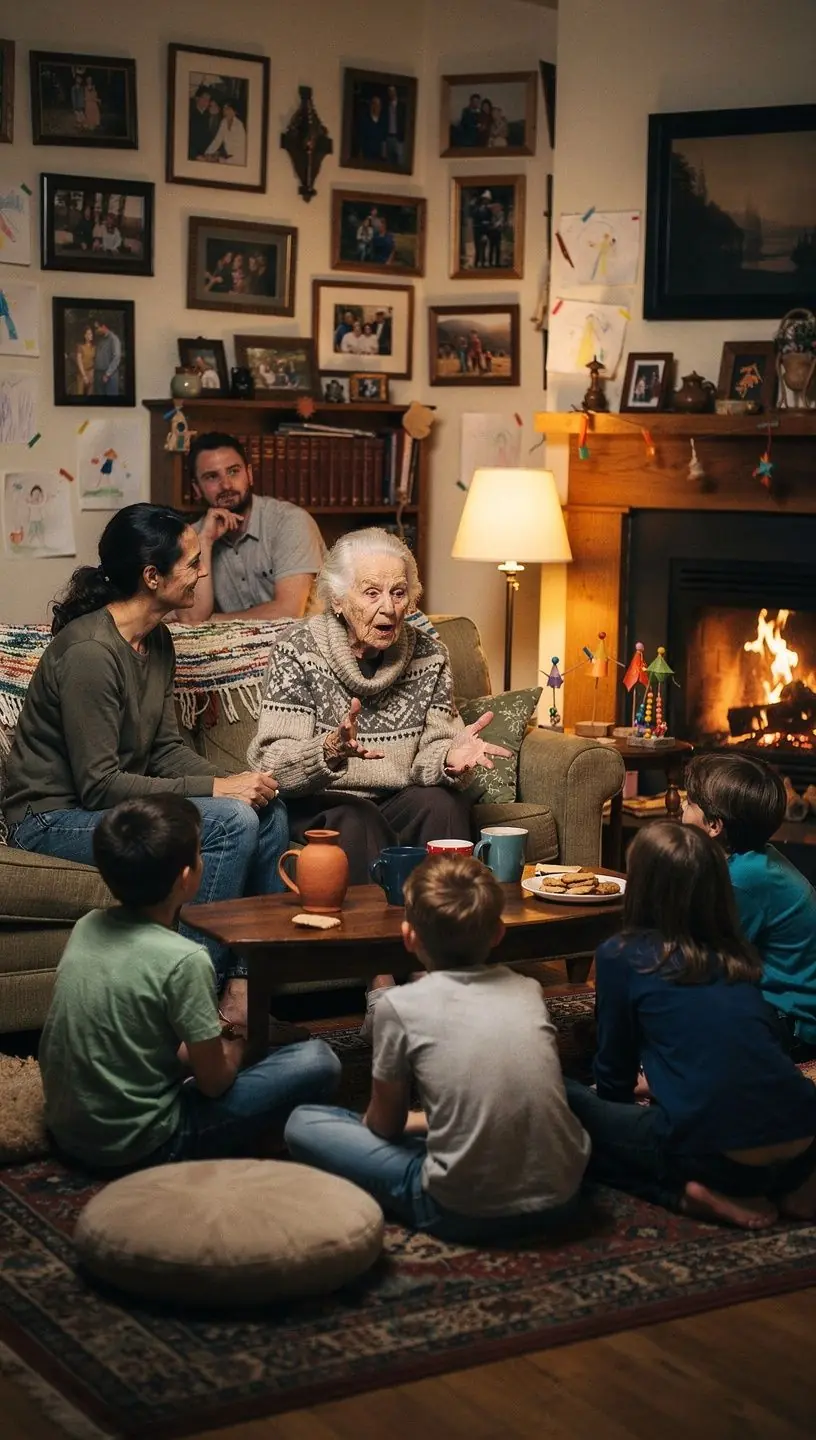
Understanding the Importance of Storytelling in Healing
Storytelling has long been a fundamental aspect of human culture, serving as a means of sharing experiences and fostering connections. Recently, its role in the healing process has gained attention, with various studies suggesting that narrative therapy and personal storytelling can significantly aid emotional recovery.
The Healing Power of Stories
Research indicates that storytelling can be an effective tool for emotional healing by allowing individuals to express and process experiences. According to experts, sharing personal narratives helps individuals make sense of challenging situations, often resulting in improved mental health outcomes. Stories offer a framework through which feelings can be articulated, leading to greater self-awareness and understanding.

"In many therapeutic contexts, storytelling provides a safe space for individuals to explore their emotions and experiences, fostering healing and resilience." - Dr. Sarah Thompson, Clinical Psychologist
How Storytelling Facilitates Healing
Understanding how storytelling fosters healing involves recognizing its psychological benefits:
- Expression of Emotions: Sharing personal stories allows individuals to express thoughts and feelings that might otherwise remain unspoken. This cathartic process can lead to emotional relief.
- Building Connections: Narratives create common ground, helping individuals relate to others who have had similar experiences. This sense of community can be incredibly supportive during times of distress.
- Gaining Perspective: Constructing a narrative about a painful experience can help individuals reframe their understanding of events. This is often a crucial step toward forgiveness and moving forward.
Practical Approaches to Storytelling in Healing
Incorporating storytelling into personal healing can take many forms. Here are some practical approaches:
- Journaling: Regularly writing down thoughts and feelings can help individuals articulate their experiences. Research shows that expressive writing can enhance clarity and promote emotional healing.
- Group Sharing: Participating in group discussions where stories are shared can allow individuals to feel less isolated. Many users report feeling empowered after sharing their narratives in a supportive environment.
- Creative Expression: Engaging in art, music, or drama can provide alternative ways to tell stories, particularly for those who may find verbal expression challenging.
Conclusion
Storytelling plays a significant role in emotional healing, offering a way for individuals to process experiences and foster connections with others. While the effectiveness of storytelling in healing varies based on individual circumstances, many experts suggest it can serve as a valuable component of the healing journey. By engaging with their narratives, individuals often find clarity, community, and a pathway toward resilience.
Discover More