How Neighborhood Narratives Shape Collective Memory
In communities across the United States, local stories and shared experiences play a crucial role in shaping collective memory. This article explores how neighborhood narratives not only preserve the past but also influence community dynamics today.
The Importance of Neighborhood Narratives
Neighborhood narratives are essentially the stories that emerge from the unique experiences of the people who live in a particular area. According to sociological research, these stories often reflect the community's history, struggles, and triumphs. Understanding the significance of these narratives is essential for fostering a sense of belonging and identity among residents.

"Stories have the power to connect individuals, creating a shared understanding of place and identity." - Community Research Institute
How Collective Memory is Formed
Collective memory is often shaped through the retelling of local stories. This process typically involves:
- Shared Experiences: Residents recount their own experiences, which can evoke similar feelings and memories in others.
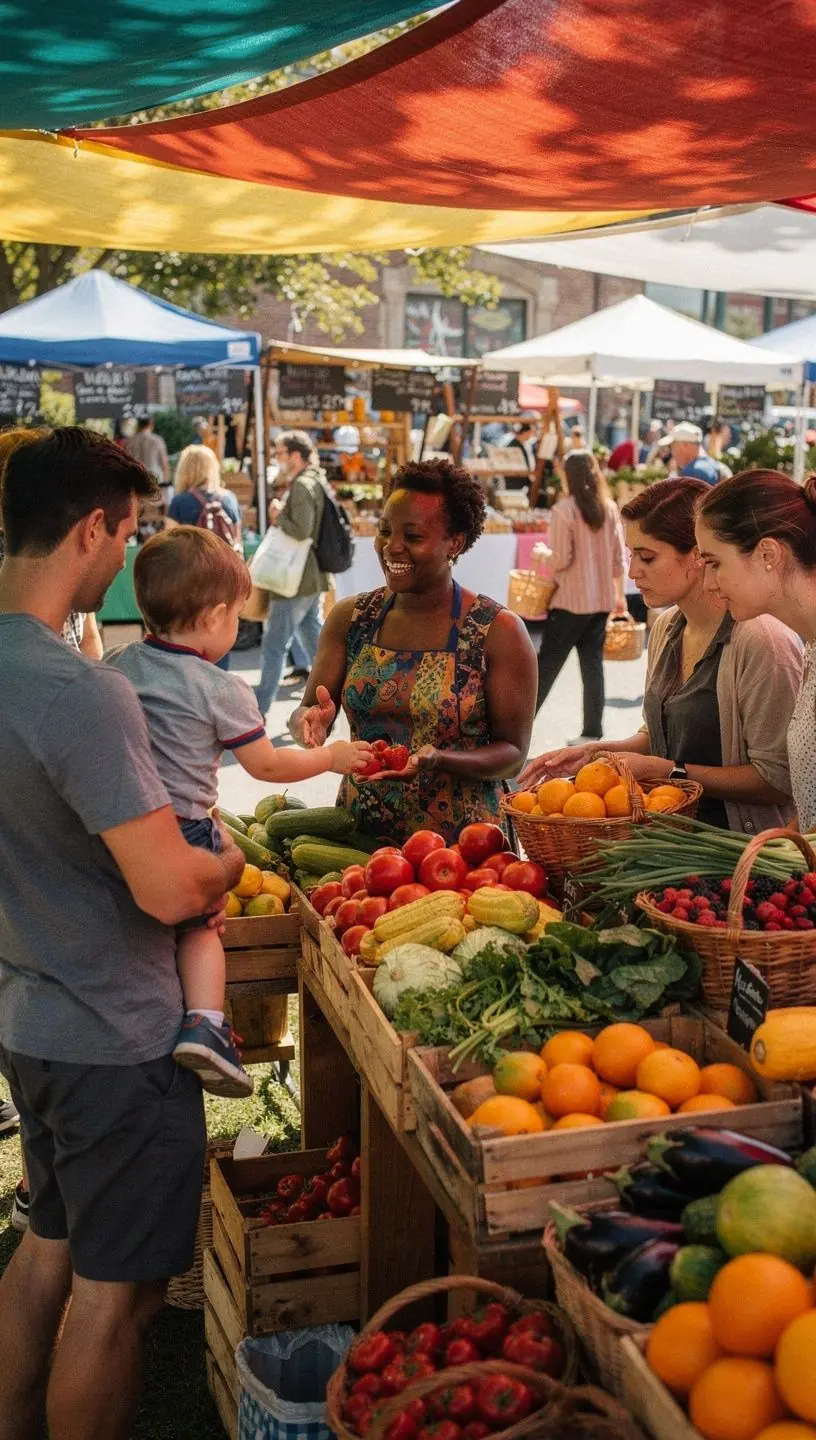
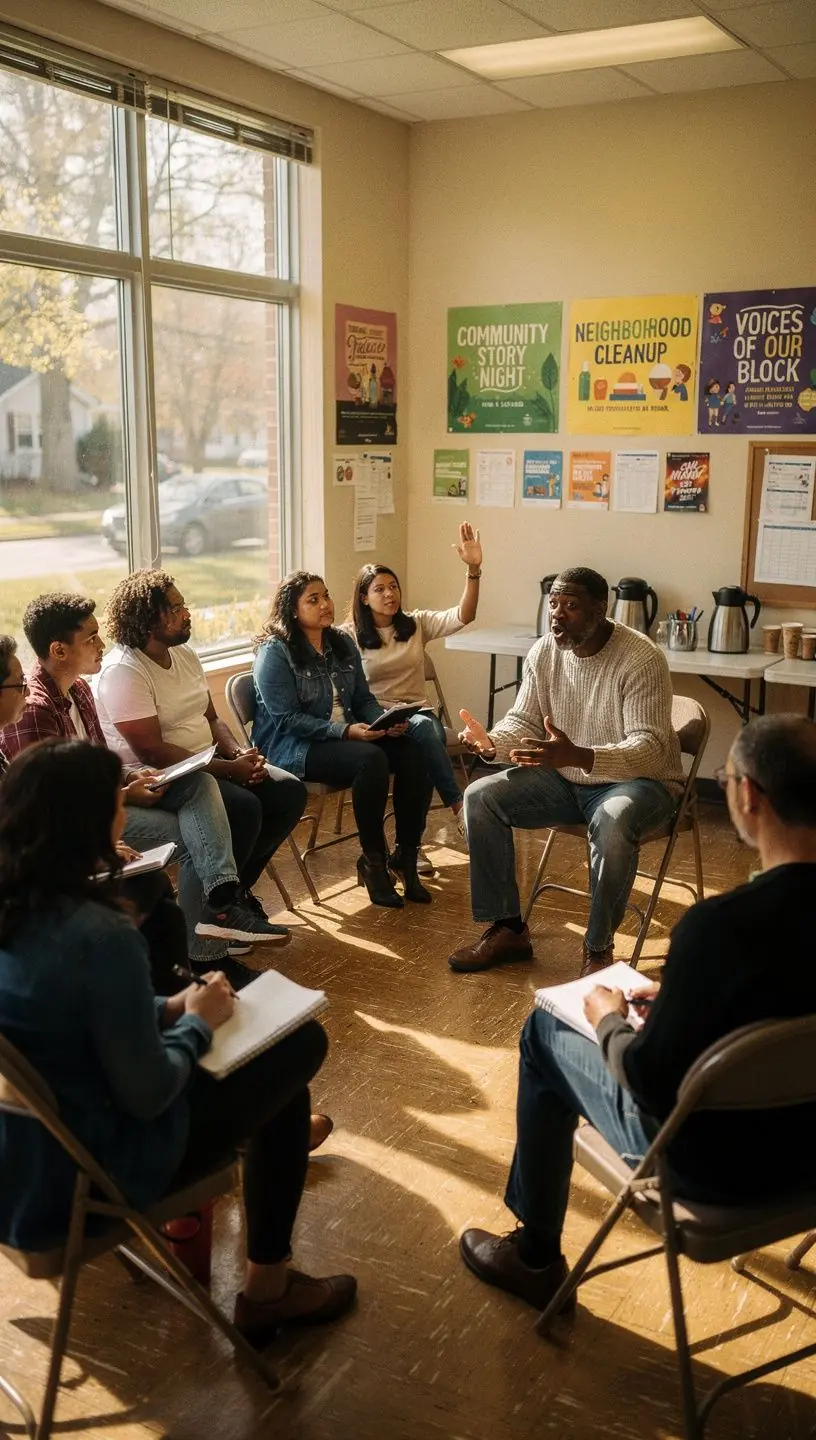
- Community Events: Local events often serve as focal points for storytelling, as they create opportunities for residents to come together and share their narratives.
- Historical Context: Many neighborhood stories connect to broader historical events, helping individuals understand their place within a larger narrative.
This sharing of stories contributes to a collective understanding of the neighborhood's identity and challenges, which can, in turn, influence community actions and decisions.
The Role of Storytelling in Problem-Solving
Research indicates that communities that actively engage in storytelling often find more effective solutions to local challenges. Here's why:
- Enhanced Communication: Storytelling creates a common language that simplifies complex issues, making it easier for residents to discuss challenges.
- Building Empathy: Hearing diverse perspectives fosters empathy among community members, which is critical when addressing shared problems.
- Encouragement of Participation: When individuals see their stories reflected in community narratives, they are more likely to participate in community activities and decision-making.
Challenges in Preserving Neighborhood Narratives
While neighborhood narratives are vital, they also face challenges, such as:
- Changing Demographics: As populations shift, traditional stories may be overshadowed, leading to a loss of historical context.
- Digital Divide: Access to digital storytelling platforms is not uniform, which can limit participation from underrepresented communities.
- Fragmented Narratives: Competing stories can create divisions rather than unity, making it essential to find common ground.
Conclusion
Neighborhood narratives are more than mere stories; they are the fabric of community identity and collective memory. By valuing and preserving these narratives, residents can foster a deeper connection to their community and work collaboratively towards addressing local challenges. This collaborative effort not only enriches individual lives but also strengthens the community as a whole.